
Hairstylists For The Future: Improving our sustainability practices, one salon at a time
Waste, water and energy : the three keys to sustainable salons
For many years, L’Oréal’s Professional Products Division has been committed to sustainability. We have embedded sustainability throughout our value chain from our products’ packaging and formulas to their production and transportation.
Today, the division is going even further with the launch of the Hairstylists for the Future program. This initiative will continue to transform the hairstyling industry and embark hairstylists around the world on the sustainable journey.
Managing waste sustainably
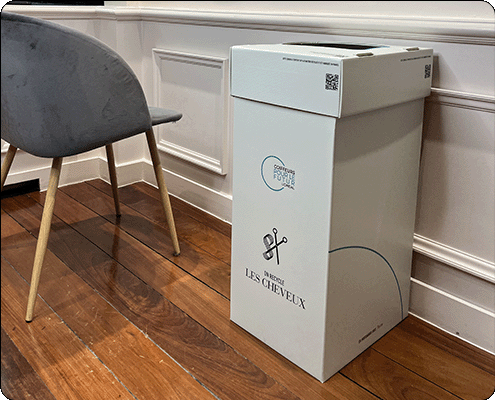
L'Oréal is partnering with local waste management providers to deliver recycling solutions for the different materials used in salons, such as aluminum tubes, plastic bottles and even hair.
Managing water responsibly
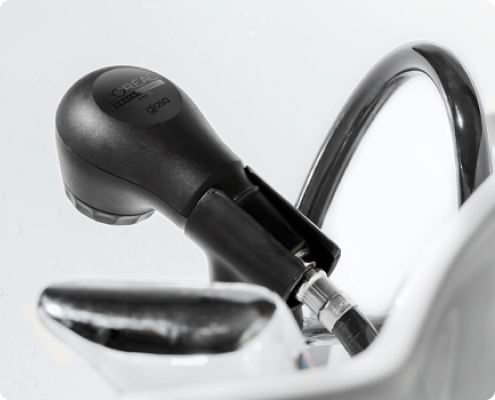
L’Oréal has partnered with the Swiss start-up Gjosato develop the L’Oréal Professional Water-Saver showerhead. It is the firsthandshowerleveraging patented water fragmentation technology to save up to 69% water at the backbar (water-flow reduction compared to average salon’s flow). Furthermore, it has an equal rinsing result to standard backbar showerheads.
Transition to
renewable energy
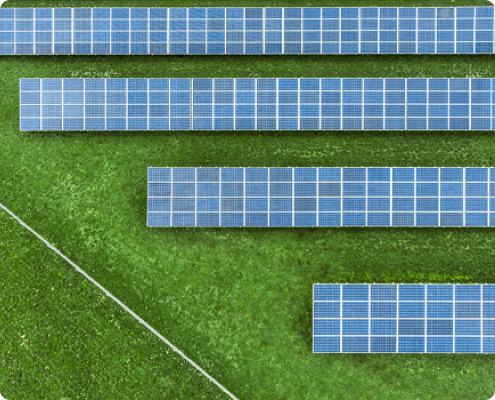
To lower salons’ energy footprint, the Division is creating partnerships with local renewable energy contractors to provide beauty salons with exclusive offers.
The Division will continue to support hairstylists on this sustainability journey, in a transition crucial for the future of the planet and for consumers, who are increasingly conscious of best practices to protect the environment.
FOSTERING SUSTAINABLE INNOVATIONS
ALONG OUR VALUE CHAIN
L'Oréal's Burgos Plant
a Global Pioneer in Sustainability
L'Oréal's International Haircare Products Factory in Burgos is also a pioneer in the implementation of social and environmental initiatives.
Just two years later, the plant set a new milestone by becoming L'Oréal's first "Waterloop" factory in the world. This means that it only uses water as a raw material and for human consumption, with a closed-loop system that retrieves and recycles water from its production phase, saving 28,000 m3 liters of water per year.